
Birmingham City Council Declares End of Bankruptcy Era With £130 Million Service Boost
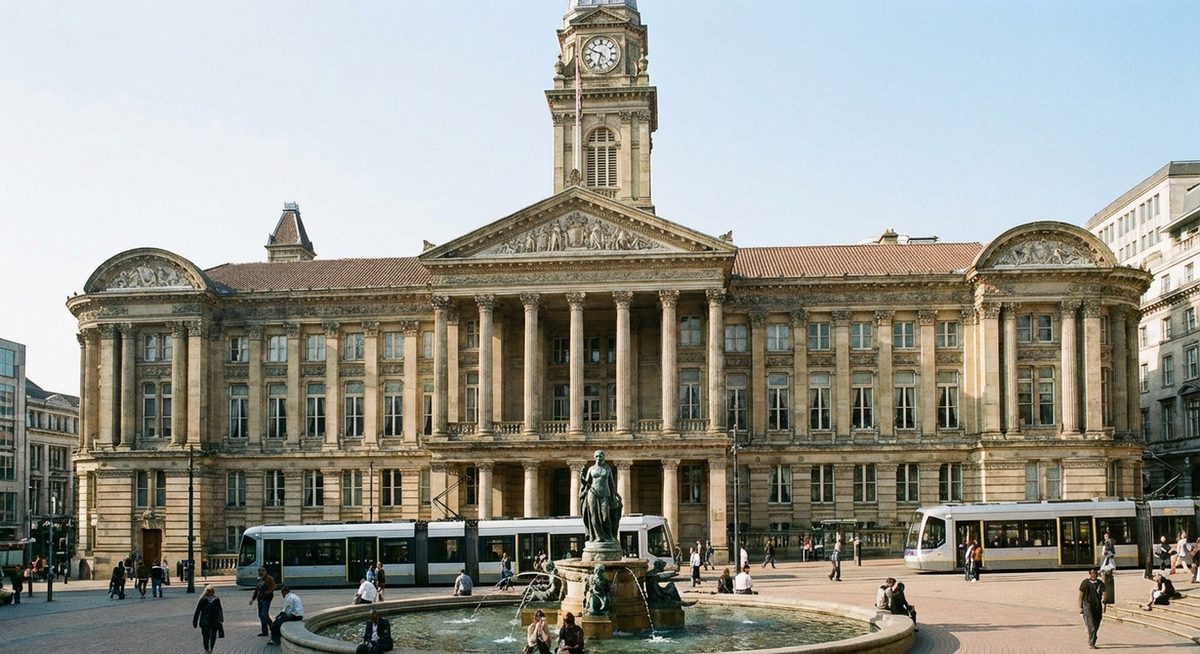
Birmingham City Council leader Cllr John Cotton announced on 3 February 2026 that the authority is no longer “bankrupt,” marking the end of an era that began when the council issued its Section 114 notice in September 2023. The 2026/27 budget proposals include an extra £130 million investment in frontline services, focusing on cleaner, safer streets and improved local services.
Closing the Budget Gap
The declaration comes after the council successfully closed a £300 million budget gap and tackled longstanding equal pay liabilities that had plagued the authority for years. The proposed budget, which was discussed at Cabinet on 10 February and voted on at Full Council on 24 February, does not require exceptional financial support from central government.
The budget proposals include a 4.99% council tax rise, the maximum permitted without triggering a public referendum. While this represents a significant increase for residents, the council argues the additional revenue is essential to restore services that were cut during the financial crisis.
Investment in Frontline Services
The £130 million investment package targets the areas most affected by the austerity measures implemented following the Section 114 notice. Priority areas include street cleaning, waste collection improvements, highways maintenance, and community safety initiatives across the city’s wards.
Council officials stress that the investment represents a genuine uplift in service delivery rather than simply restoring previous spending levels. New approaches to service delivery, including digital transformation and partnership working, are expected to deliver better outcomes for residents.
Political Debate
The announcement was not without controversy. Liberal Democrat councillors challenged the “no longer bankrupt” claim, arguing that significant financial challenges remain. Government-appointed commissioners continue to oversee the council’s operations, though they have publicly supported the administration’s progress.
With local elections scheduled for May 2026, the budget announcement carries political significance. The Labour-led council will be keen to demonstrate that the worst of the financial crisis is behind Birmingham, while opposition parties are likely to scrutinise whether the proposed investments deliver tangible improvements for residents.
Looking Ahead
The path from Section 114 to financial stability has been difficult for Birmingham’s 1.1 million residents. Services were reduced, staff numbers cut, and major projects delayed. The council now faces the challenge of rebuilding public trust while managing expectations about the pace of improvement.
The commissioners’ continued presence provides both oversight and reassurance that financial discipline will be maintained. Their eventual departure will mark the true end of Birmingham’s financial crisis and the beginning of a new chapter for England’s largest local authority.